Tag: retail

  • Load shedding: Forcing the township economy to go international?

    Load shedding: Forcing the township economy to go international?

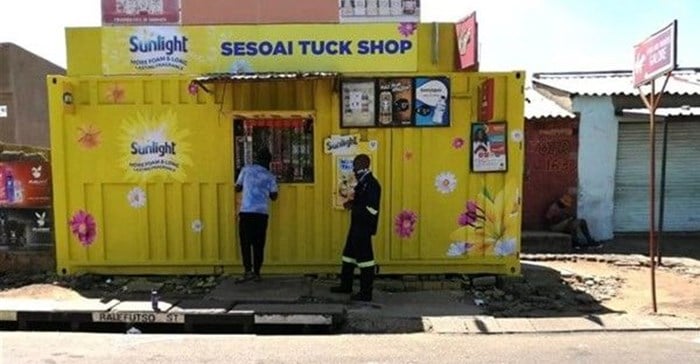
    While the protests in 2021 were expected to bring the Kasi economy to its knees, quite the opposite happened. Entrepreneurs who had cut their innovation ‘teeth’ during Covid faced the new challenge head on.

    Township delivery networks sprang up, filling the gap that Mr. Delivery was struggling to fill. Spaza shops went from strength to strength. New eateries sprang up, mimicking those found in the affluent parts of Jo’burg. These, and many other innovations provided a foundation for big brands to partner with entrepreneurs in new and exciting ways.

    Load shedding in real numbers is devastating

    However, the fairytale has been short-lived. According to a recent News24 article, since Eskom has stepped up its load shedding schedule, 66% of township businesses have had to cut jobs, with 60% unable to operate during load shedding hours.

    The implications are massive. Not only does the township economy contribute 5.2% to South Africa’s GDP, but it also employs over 2.6 million people. Load shedding in real numbers is devastating.

    Hyper-local brands

    The township economy is also built partially on a reawakened love of local brands. We’re not talking South African brands (although that’s a thing too), we’re talking hyper-local brands. As in, something your neighbour makes.

    This serves to keep cash circulating within the township, which means that one transaction enriches a long line of people, all living around you. One of the measures of a community’s wealth is the lifespan of cash within that community before it exits into the world.

    With a load shedding economy, township residents with money to spend will have to look outside the township for premium goods and luxury experiences. It’s a double whammy when load shedding and a fairly closed consumer ecosystem come to blows. Load shedding always wins.

    The one saving grace

    One saving grace is that with an increase in internet availability and a high unemployment rate, many are turning to web-based businesses to generate an income.

    According to the World Bank, a growing body of research shows that access to Wi-Fi has a positive effect on an embattled economy by providing access to global markets.

    Are global markets hungry for South African products? The international success of Maxhosa Africa proves that.

    With higher demand, stronger international currencies, and a hungry populace, the Kasi economy may be saved after all.

    We live in hope

    When it comes to things like fashion, we have the government to thank for where we are today. Nearly 15 years ago, the government instituted ridiculously high import duties on clothing in an effort to curb the influx of cheap brands from China.

    The plan was to stimulate the local fashion economy and it seems to have worked. What needs to happen next is the cutting of export taxes to support township entrepreneurs. While it would serve the country to lower both these (and other taxes), there’s been no word as to whether this will happen.

    How does this affect marketers? Well, should South Africa begin exporting locally made items (like fashion), in bulk, we may need to start understanding the international consumer a lot more. We live in hope.

  • Don’t be blinded by Black Friday – your customers aren’t

    Don’t be blinded by Black Friday – your customers aren’t

    South Africans will spend R56.8bn on retail goods online this year, representing a year-on-year growth of 39%. There is a terrific opportunity here, but if brands and marketers plan to get a share of these billions from events like Black Friday, they’re not seeing the bigger, better picture.

    Before you promote Black Friday in favour of other considerations, you need to know that price is not the most important thing customers want from you. If you can give them what they do want, you can unlock so much more than a one-hit shop-and-run. Give them the best customer experience and earn long-term loyalty from delighted customers who will become your advocates and spokespeople – and have not doubt that customers singing your praises carries far more weight than ever before.

    Reliability and delivery are more important to your customers than price when shopping online. This detail comes from our fourth annual South African Digital Customer Experience Report, which surveyed 2,000+ people to understand their attitudes towards the brands we engage with online.

    Reliability topped their list of most wanted attributes at 72%, followed by delivery at 66%. Price was only the third most important attribute, at 63%.

    What’s even more interesting about price’s role in the buying decision is that it was the most important attribute in our CX study last year. The fact that price has shifted in importance shows that customers will only buy from you again if they have a satisfactory online experience with your brand.

    It’s worth paying attention to the other attributes that encourage shoppers to make repeat purchases from the same brand online. Ease of use came in at 59%, and trust was at 50%. So now you know that four of the top five qualities customers want when shopping online are about having a good experience; it’s time to revisit Black Friday.

    Any big, concentrated sales day will always be fraught with variables. There are so many “ifs” to deal with: if customers have to queue, if they end up ordering something they don’t want because their preference is sold out, if their order is bungled because staff are too inundated to get every order right, if delivery or returns are compromised – I could go on but you get the picture.

    Any of these things going wrong makes for a poor customer experience that ultimately costs you the customer, and for what? A comparatively small return. If you take nothing else from our survey, take this: above all, customers want you to stick to your promises. This is what reliability and good delivery mean to them.

    Rather than a frantic Black Friday scramble to acquire one-off customers, a more considered and intelligent strategy is to invest in providing great experiences. Your primary goal should be to migrate once-off shoppers into repeat buyers.

    The fact that it costs you less and earns you more to retain existing customers than acquire new ones will become increasingly important through 2023.

    With rising inflation and the likelihood of a global recession, economically this is not the time for Black Friday thinking. As tempting as a discount day seems, you’re better off looking beyond the short term and focusing on consistently improving how your loyal customers experience your company.

    Regardless of what next year holds, there is room for growth in the online retail landscape. Online shopping is now an integral part of South Africans’ lives. Almost 90% of respondents to our survey had made an online purchase in the past year. And it’s not just particular types of customers either – it’s everyone. Online shoppers transcend income, age and geographic location, giving you a wide-open market to serve.

    A final word to the wise: keep sight of the fact that your customers evolve, and they do so quickly. Their wants and needs change all the time. Your job is to keep paying attention so that you don’t lose touch with what is important to them.